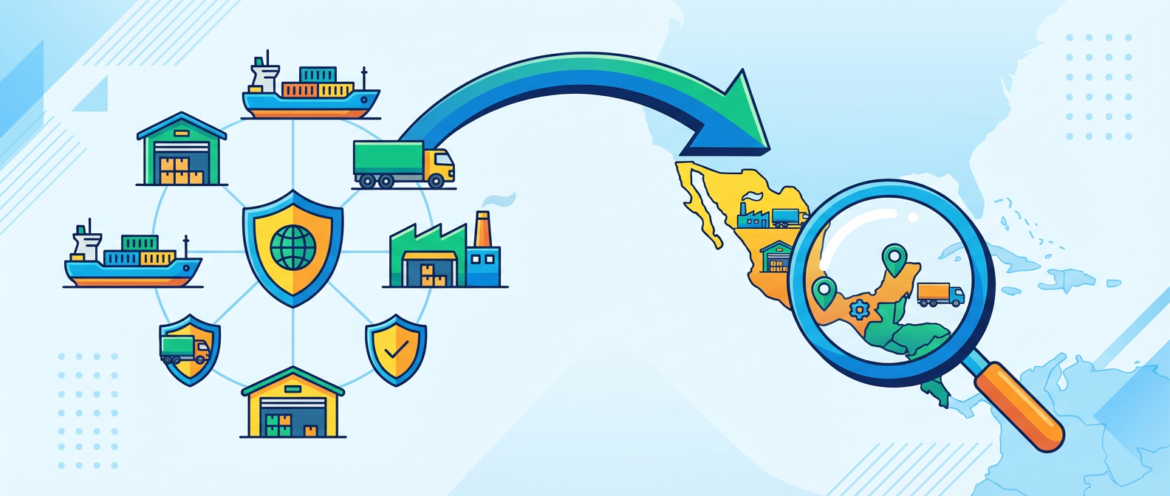
The Boring Business That Broke the World
While tech bros pitched NFTs and metaverse fantasies, something far more mundane was quietly fracturing the global economy. Supply chains. The invisible networks that move everything from life-saving pharmaceuticals to smartphone components were operating on razor-thin margins and single points of failure.
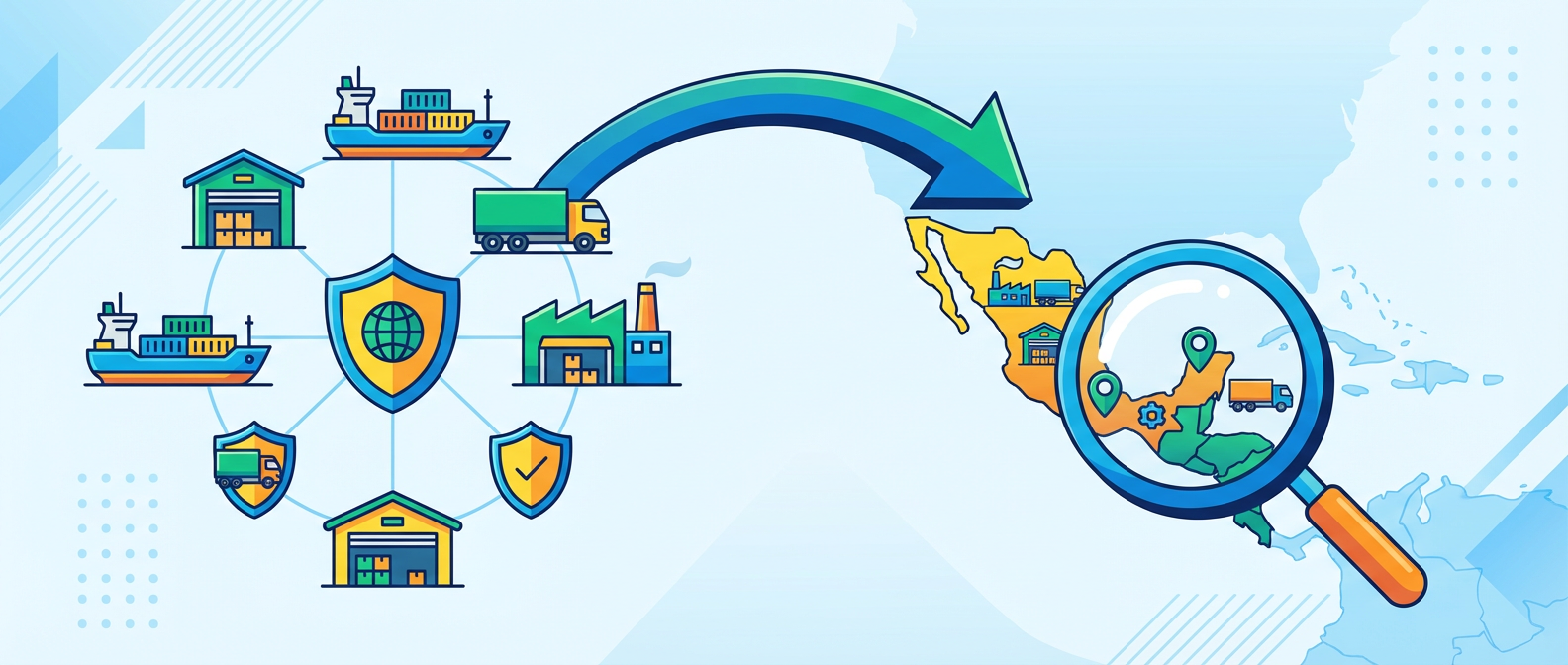
The pandemic exposed what risk managers had been warning about for years. Eighty percent of active pharmaceutical ingredients came from Asian facilities. One factory shutdown could leave patients worldwide without essential medications. Meanwhile, executives celebrated lean inventory models and just-in-time delivery as peak efficiency.
This wasn’t optimization. It was collective delusion pretending to be strategy. The real revolution isn’t happening in some Sand Hill Road conference room. It’s in procurement departments, logistics centers, and boardrooms where unglamorous decisions about supplier diversification are reshaping global commerce.

The Death of Cheapest-First Thinking
Cost optimization ruled procurement for three decades. Find the lowest bidder, regardless of geography or geopolitical stability. Sign the contract. Repeat. This thinking created fragile networks that shattered when borders closed and shipping lanes clogged.
Smart companies are dumping this approach for something more sophisticated. Friend-shoring and ally-shoring strategies prioritize suppliers in politically stable nations with shared interests. It costs more upfront but avoids the hidden expense of disruption.
The numbers tell the story. Mexico surpassed China as America’s largest import partner in 2023, the first time in decades that geographic proximity beat pure labor arbitrage. This isn’t nationalist posturing. It’s rational risk management wearing a patriotic disguise.
Companies using this approach aren’t just protecting against future shocks. They’re building competitive advantages while competitors chase the next shiny object. McKinsey research shows that resilient supply networks deliver 15% higher returns during crisis periods.
Infrastructure Moves That Actually Matter
While venture capital flowed into questionable consumer apps, governments were making unglamorous investments that will define the next economic era. The CHIPS Act alone threw over $100 billion at rebuilding semiconductor manufacturing in the United States and European Union. No splashy launch events. No influencer partnerships. Just industrial policy that works.
These semiconductor fabs represent more than reshored production. They’re insurance policies against technological dependencies that proved catastrophic during recent shortages. Auto plants shuttered. Electronics shortages cascaded through consumer markets. The lesson was clear: critical technologies need domestic capacity.
This infrastructure thinking extends beyond semiconductors. Companies are evaluating every component, raw material, and manufacturing step through a resilience lens. The question isn’t whether disruption will happen. It’s whether your supply chain can adapt when it does.
Digital Twins and the Quiet Revolution
The most transformative supply chain technology isn’t blockchain or AI hype. It’s digital supply chain twins. These virtual copies of physical networks simulate disruptions and test responses in real-time. Companies using these systems cut disruption response times by 40 percent compared to traditional approaches.
Digital twins work because they embrace complexity rather than oversimplifying it. Traditional supply chain planning assumes linear relationships and predictable behaviors. Reality delivers chaos, cascading failures, and second-order effects that spreadsheets can’t capture.
Organizations running these systems aren’t just responding faster to problems. They’re preventing problems through scenario planning that would be impossible with conventional tools. When Supply Chain Dive covers another major disruption, these companies are already three moves ahead.
The ESG Factor Nobody Talks About
Environmental, social, and governance auditing throughout supply chains increases operational costs by 8-12 percent on average. Most executives see this as regulatory compliance expense. The smart ones recognize it as competitive intelligence and risk mitigation.
ESG auditing forces companies to understand their extended networks in detail. Which suppliers use child labor? What environmental practices exist at tier-three vendors? How do labor conditions compare across facilities? This visibility costs money, but the alternative is reputational disaster when problems surface.
Companies that embrace comprehensive ESG auditing aren’t just avoiding negative headlines. They’re building relationships with suppliers who share similar values and operational standards. This alignment reduces friction, improves quality, and creates partnerships that survive external pressures.
The hidden benefit? ESG-compliant suppliers tend to be more operationally sophisticated overall. They maintain better financial controls, invest in employee development, and practice long-term thinking. These characteristics correlate strongly with supply chain reliability.
The Competence Advantage
Supply chain resilience isn’t glamorous. It doesn’t generate viral social media content or inspire breathless conference presentations. It requires painstaking analysis of failure modes, relationship building with unglamorous vendors, and investments in capabilities that may never directly generate revenue.
This is precisely why it’s such a powerful competitive advantage. While competitors chase algorithmic trading, metaverse real estate, and other speculative opportunities, resilient companies are building moats that span continents and cross industries.
The organizations mastering supply chain resilience today will dominate their markets when the next disruption arrives. Not through breakthrough innovation or marketing wizardry, but through the boring competence of actually delivering products when customers need them.
Want to explore how these supply chain strategies might apply to your industry? The real insights emerge when you move beyond theory into the messy details of implementation.