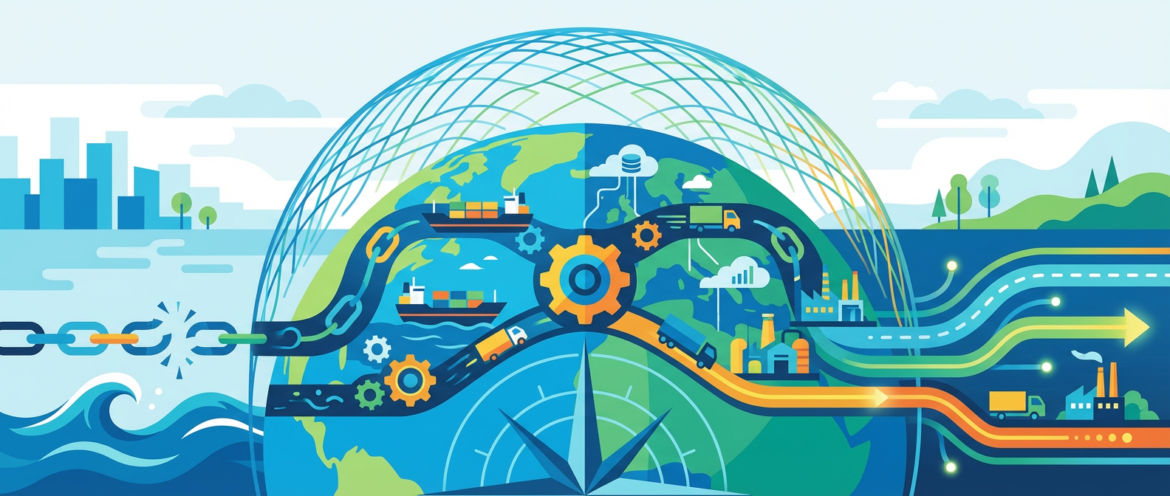
The Perfect Storm Nobody Saw Coming
In early 2021, Target was riding high. The retailer had crushed digital growth targets during the pandemic, with online sales jumping 145% year-over-year. Then reality hit like a freight train that couldn’t get to the port. By Q3 2021, Target’s operating margin had dropped from 8.7% to 6.5%, and inventory turnover slowed to levels not seen since the Great Recession. The culprit wasn’t demand fluctuation or competitive pressure. It was something far more basic: their supply chain had become a house of cards.
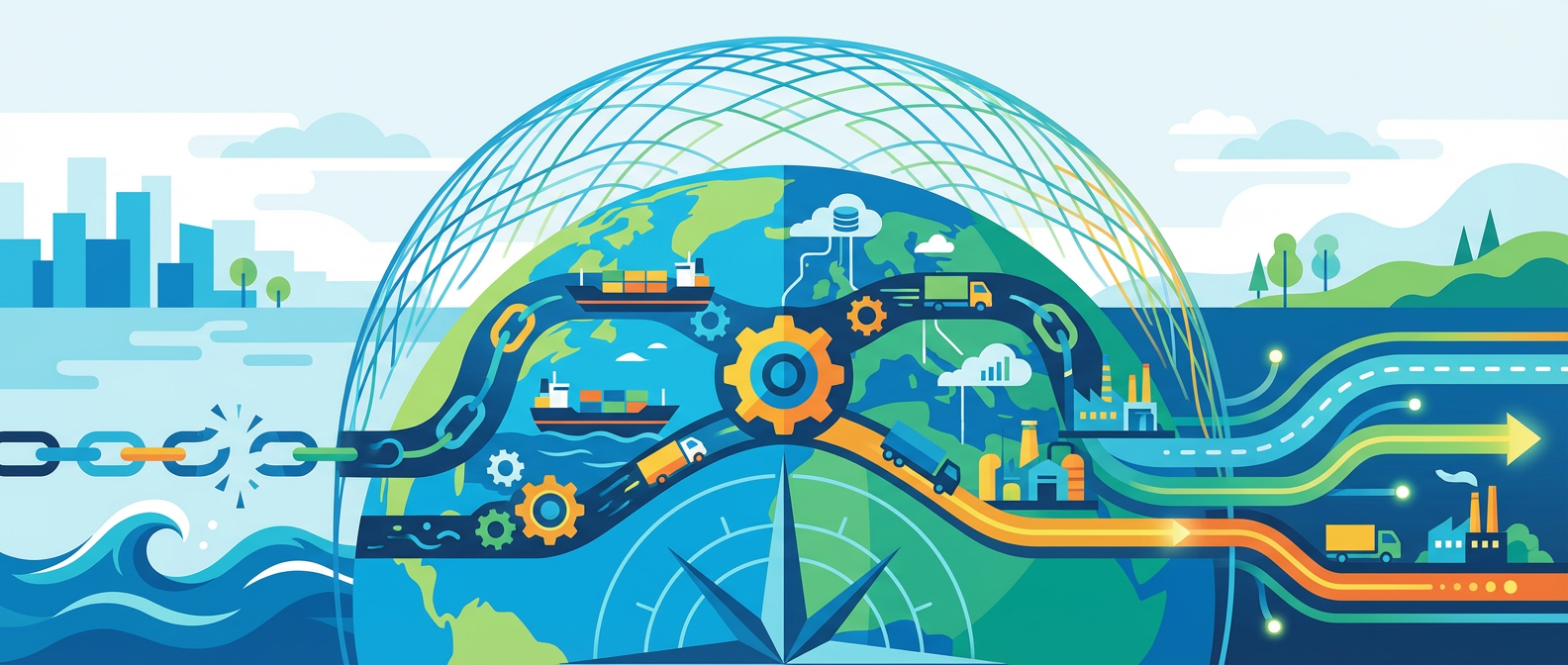
Target’s crisis shows how supposedly smart supply chain management can crumble when faced with real disruption. The company had spent years optimizing for efficiency, building a network that could deliver products faster and cheaper than almost anyone else. But efficiency and resilience are often opposites, and Target learned this lesson the expensive way.
What makes Target’s case particularly interesting isn’t the scale of disruption they faced. Everyone got hit by port congestion and container shortages. What matters is how their specific strategic choices made the impact worse and what they did to dig themselves out. The numbers tell a story that most executive summaries gloss over.

Where the Optimization Trap Caught Target
Target’s supply chain strategy before 2021 looked brilliant on paper. They had reduced their supplier base by 40% over five years, concentrating purchasing power with fewer, larger vendors. Inventory days outstanding had dropped from 65 to 58 days. Their distribution centers were running at 95% capacity utilization. These metrics made CFOs smile and consultants rich, but they created dangerous single points of failure.
The company’s heavy reliance on Asian suppliers meant that 60% of their general merchandise flowed through just three major ports. When Long Beach and Los Angeles hit gridlock, Target couldn’t simply reroute shipments like companies with more diversified supply networks. Their lean inventory model, which had been a competitive advantage, became a weakness when replenishment cycles stretched from weeks to months.
More critically, Target’s vendor consolidation had eliminated the buffer that smaller, more agile suppliers could provide. When Mattel couldn’t deliver toys on schedule, Target couldn’t easily pivot to alternative manufacturers. They were locked into relationships that had been optimized for smooth operations, not crisis response. The result was empty shelves in high-demand categories just as holiday shopping season approached.
The Real Cost of Playing Catch-Up
Target’s response to the crisis reveals both the limits of traditional supply chain thinking and the true cost of building resilience after the fact. The company spent $2.8 billion in Q4 2021 on expedited shipping, alternative transportation routes, and premium supplier arrangements. That’s roughly equivalent to their entire technology investment for the year, redirected to solve a problem that better planning could have prevented.
The financial impact went beyond direct costs. Target’s gross margin compression wasn’t just about higher transportation expenses. When you’re forced to accept whatever inventory you can get, rather than what your demand planning models call for, you end up with lousy product mix. Categories that generate 35% gross margins get displaced by whatever happens to be available, often at 20-25% margins.
More telling is what Target’s executive team revealed in their earnings calls. CEO Brian Cornell admitted that the company had “prioritized efficiency over redundancy” and was now “investing in supply chain optionality.” Translation: they were retrofitting resilience features they should have built from the beginning. The retrofitting premium is always higher than the original investment would have been.
Building Resilience Without Breaking the Budget
Target’s recovery strategy has practical lessons for any company rethinking supply chain resilience. They didn’t abandon efficiency entirely, but they did redefine what optimization means. The company increased their supplier base by 25%, specifically adding smaller vendors who could provide flexibility during disruptions. They also shifted from optimizing purely on cost to optimizing on a risk-adjusted cost basis.
The most interesting move was Target’s investment in regional distribution capacity. Rather than running existing facilities at maximum efficiency, they built in 15-20% excess capacity across their network. This sounds wasteful until you calculate the cost of stockouts during peak demand periods. A 5% increase in operating expenses that prevents 15% revenue loss during disruptions becomes an obvious trade-off.
Target also rebuilt their vendor relationships around transparency rather than just cost. They started requiring suppliers to map their own supply chains two levels deep and share real-time inventory data. This wasn’t altruism. It was recognition that visibility is a prerequisite for agility. You can’t manage risks you can’t see, and most companies discover their vulnerabilities only when those vulnerabilities become failures.
What the Numbers Actually Tell Us
By Q2 2022, Target’s supply chain investments were showing results, but not in the way most analysts expected. Their inventory turnover had improved to pre-crisis levels, but more importantly, their stockout rates during promotional periods had dropped by 40%. The company was carrying slightly more inventory overall, but significantly less safety stock in any single location, because their network flexibility had improved.
The resilience premium Target paid looks expensive in isolation, but context matters. Their competitor Walmart, which had maintained a more diversified supplier base and higher inventory buffers, saw minimal margin compression during the same period. The companies that had built resilience before the crisis outperformed those that had to buy their way out of trouble.
Target’s experience illustrates a broader principle that applies beyond retail. Resilience isn’t about building Fort Knox around your supply chain. It’s about designing systems that can absorb shocks and continue functioning, even if not at peak efficiency. The math is straightforward: a 10% increase in steady-state costs that prevents a 30% revenue hit during disruptions pays for itself quickly. The challenge is convincing stakeholders to pay today for problems they hope never to face.
Supply chain resilience planning isn’t just a risk management exercise. It’s a strategic capability that determines which companies thrive when the unexpected becomes inevitable. Target’s journey from crisis to recovery provides a roadmap, complete with the financial reality that makes resilience investments worth making. What assumptions about efficiency versus resilience is your organization making, and what would the real cost be if those assumptions proved wrong?