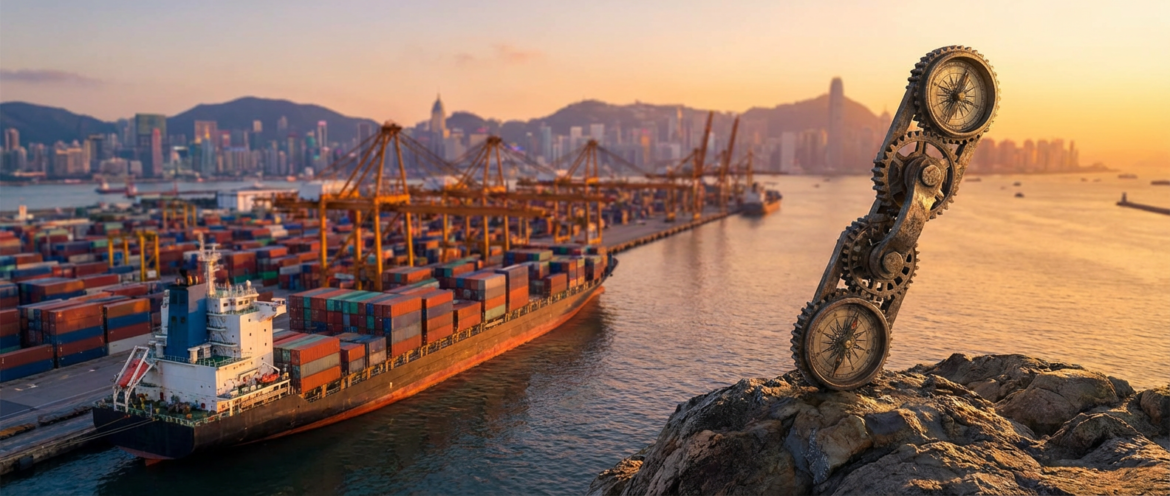
The Moment Everything Changed
In 2020, when the world went sideways, a hard truth emerged on hospital floors across America. Eighty percent of pharmaceutical active pharmaceutical ingredients came from Asia. One region. One supply line. One catastrophic vulnerability that nobody in the C-suite wanted to admit they’d built. I watched procurement teams scramble that year, and the panic wasn’t theoretical. It was the sound of a system designed purely for cost optimization finally meeting reality.
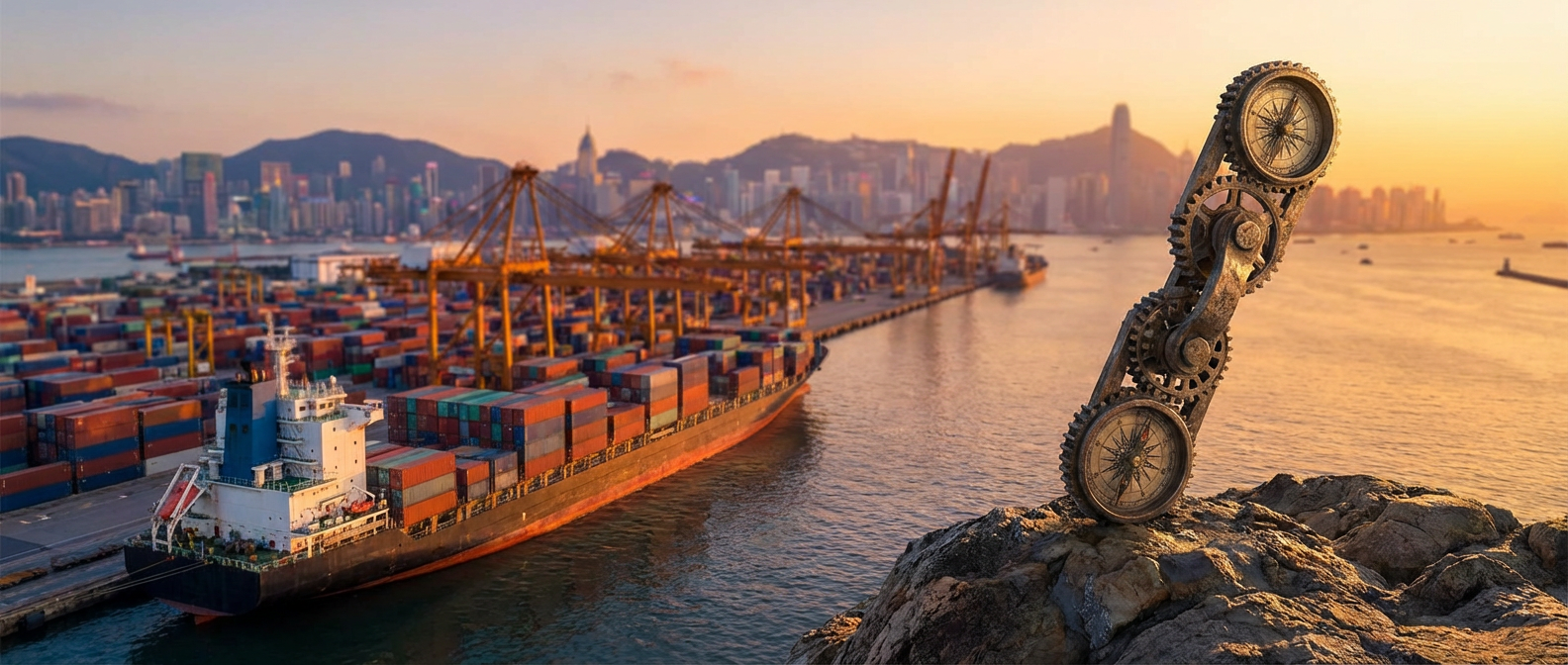
That bottleneck didn’t just expose a problem. It rewired how executives think about supply chains. Cost per unit stopped being the only metric that mattered. Suddenly, resilience had a price tag. Redundancy stopped being waste. And the entire playbook for global procurement got rewritten in real time.
From Cost Optimization to Strategic Alignment
Here’s what people get wrong about nearshoring. They think it’s about moving manufacturing closer to home for sentimental reasons or to score political points. Wrong. It’s about something much harder to manage: introducing variables that actually matter beyond the spreadsheet.
The shift from pure cost optimization to what we now call friend-shoring and ally-shoring represents a fundamental change in how companies calculate risk. When you source from a trusted partner in a stable democracy with aligned interests, you’re not paying extra for nothing. You’re buying predictability, regulatory alignment, and the ability to sleep at night when geopolitical tensions spike. Mexico became the number one source of US imports in 2023 for the first time in decades. That wasn’t because labor suddenly got cheaper there relative to China. It happened because companies started asking a different question: “What happens if the political situation changes overnight?” Mexico’s geographic proximity, USMCA membership, and stable institutional framework suddenly looked like features instead of bugs.
This rebalancing is painful. It costs more upfront. But the math has shifted. A supply chain disruption now costs companies anywhere from 5 to 7 percent of annual earnings on average. That changes the ROI calculation on nearshoring permanently.
Infrastructure Capital Floods Strategic Regions
When governments and private capital combined to commit over 100 billion dollars to semiconductor fabrication in the United States and Europe through initiatives like the CHIPS Act, they weren’t just throwing money at a manufacturing problem. They were making a structural bet that semiconductor capacity would never again be 90 percent concentrated in Taiwan. That’s a $100 billion recognition that concentration risk is actually expensive.
Watch what’s happening in the data. Companies are building redundant capacity in allied nations. They’re investing in nearshoring hubs in Mexico, Poland, and Vietnam not because these places suddenly became optimal from a pure cost angle, but because the downside of another single-region dependency became unacceptable. The math finally aligned with the risk.
This is reshaping capital allocation across industries. You’re seeing semiconductor fabs go up where they make no economic sense on traditional terms. Pharma manufacturing expanding in Europe and North America despite higher costs. Automotive suppliers building plants closer to assembly lines instead of shipping components globally. These aren’t irrational decisions. They’re rational responses to a world where the cost of disruption exceeds the cost of redundancy.
The Tools That Make Resilience Manageable
Here’s what separates companies that are actually building resilience from those just shifting production costs around: real investment in supply chain visibility. Digital supply chain twins, basically digital models of your entire physical supply network, are reducing the time it takes to respond to disruptions by roughly 40 percent. That’s not a minor efficiency gain. That’s the difference between a contained problem and a cascading failure.
When you have real-time visibility into every supplier’s inventory, every factory’s capacity, every transportation bottleneck, you can make decisions in hours instead of weeks. You can reroute shipments before they get stuck. You can identify when a supplier is about to fail before they announce it. For complex supply chains with hundreds of nodes, this isn’t nice to have. It’s operational necessity.
The companies outpacing their competitors right now aren’t necessarily the ones with the most expensive nearshoring strategy. They’re the ones using data effectively to optimize within their chosen network. Check what Supply Chain Dive news is covering around digital twins and visibility platforms. The investment patterns tell you where the actual competitive advantage is shifting.
The Hidden Cost That Everyone Underbids
ESG supply chain auditing is becoming non-negotiable. It also costs significantly more than traditional compliance checks. Environmental and social auditing adds 3 to 5 percent to procurement costs when done properly. Most companies still underbid this in their financial models because the benefit, avoiding reputational catastrophe, feels abstract until it isn’t.
What’s changing is that financial markets are finally pricing in reputational risk. A major supply chain scandal now doesn’t just cost direct remediation. It tanks stock price. It triggers regulatory investigations. It forces audits across your entire vendor base. When you quantify that properly, the 3 to 5 percent ESG audit cost starts looking like cheap insurance.
Companies that have integrated proper ESG auditing into nearshoring strategies are reporting lower audit failure rates and fewer supply chain disruptions related to vendor instability. Not because their suppliers are morally superior, but because they’re identifying problems before they become crises. The investment in visibility and audit infrastructure reduces the surprises.
What Actually Matters Now
The supply chain revolution we’re living through isn’t about picking the cheapest option anymore. It’s about picking the option that survives the next crisis without imploding your margins. That requires thinking in systems instead of line items. It requires accepting that 10 to 15 percent higher unit costs might mean 50 percent lower total cost of ownership when you account for disruption risk.
If you’re currently evaluating your supply chain strategy, look at what McKinsey supply chain insights are highlighting around resilience frameworks. The actual thesis is solid even if you strip out the consultant language. Build redundancy in critical categories. Invest in visibility technology that actually works. Embrace nearshoring not as a trend but as a permanent shift in how value gets created. Price in the cost of disruption, not just the cost of production.
The companies winning this transition aren’t the ones with the most innovative supply chain model. They’re the ones who looked at 2020, learned the lesson without needing a second crisis, and reorganized their networks accordingly. What’s your supply chain’s biggest concentration risk right now? And more importantly, what’s it costing you to leave it unaddressed?