
The Price-Matching Trap That’s Killing Your Margins
Every pricing strategy presentation I’ve seen in the last five years follows the same tired playbook. Step one: analyze competitor prices. Step two: price slightly below the market leader or match the median. Step three: watch margins evaporate while everyone races to the bottom.
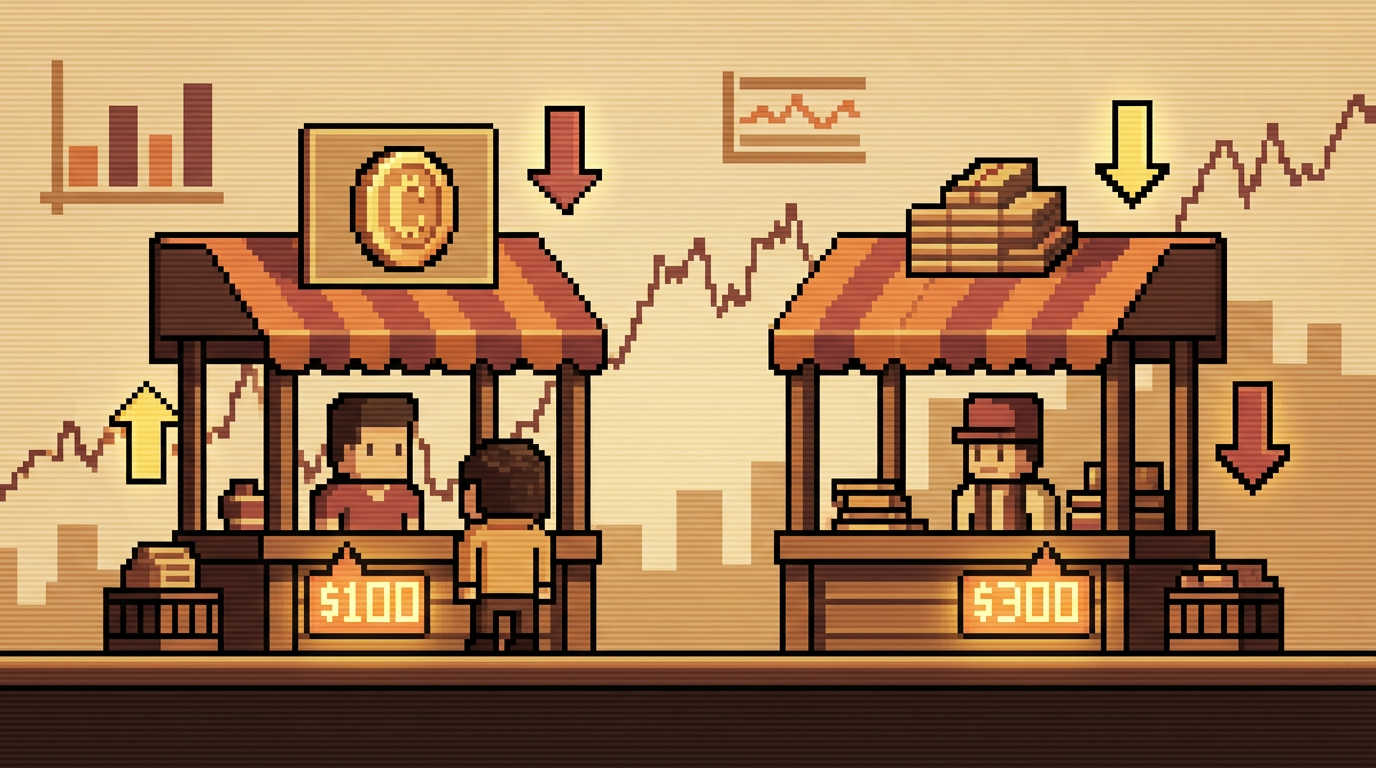
This approach treats pricing like a spectator sport where you sit in the stands watching everyone else play. The problem? Your competitors are probably just as clueless about optimal pricing as you are. When everyone copies everyone else, you end up with a market full of companies using pricing strategies that work for nobody.
I’ve audited pricing decisions at dozens of companies, from scrappy startups to Fortune 500 behemoths. The most profitable ones ignore what their competitors are doing and focus obsessively on what their customers actually value. It’s unglamorous work that requires digging into spreadsheets instead of crafting clever positioning statements, but it works.

Why Customer Value Beats Competitive Intelligence Every Time
Here’s what the consulting frameworks don’t tell you: competitive pricing analysis is backwards-looking data about forward-looking decisions. Your competitor’s pricing reflects their cost structure, their customer mix, and their strategic priorities from six months ago. None of that applies to your business.
Smart pricing starts with understanding your customer’s economics, not your competitor’s tactics. At one software company I worked with, leadership was convinced they needed to match their main rival’s pricing at $50 per user per month. When we analyzed customer data, we found their product was saving clients an average of $200 per user monthly in operational costs.
The company was leaving massive value on the table. We restructured pricing around customer outcomes rather than competitor benchmarks, moving to a value-based model that captured a fraction of the savings generated. Revenue per customer jumped 40% while customer satisfaction scores improved because clients felt they were getting a bargain relative to the value delivered.
This isn’t some revolutionary concept. It’s basic business math that gets obscured by the obsession with competitive positioning. Your customers care about solving their problems, not whether you’re priced 10% above or below the other guy.
Creating Your Own Pricing Category
The most profitable pricing strategy in competitive markets isn’t competing on price at all. It’s restructuring how customers think about value so direct price comparisons become impossible. This requires actual work instead of clever marketing copy, which is why most companies avoid it.
Take the subscription box industry. Everyone was competing on price per box until companies like Stitch Fix rebuilt the entire value proposition around personal styling rather than product delivery. Suddenly customers weren’t comparing box prices anymore. They were evaluating styling services, which commanded premium pricing and made traditional competitors irrelevant.
The tactical move here is bundling complementary services or outcomes that your competitors can’t easily replicate. A manufacturing company I advised was getting hammered on equipment pricing until they started selling guaranteed uptime instead of machines. Their 99.5% uptime guarantee was worth millions to customers in avoided downtime costs, justifying a 30% price premium over equipment-only competitors.
This approach requires understanding your customer’s broader operational context, not just their immediate purchase decision. Most companies stop their analysis at the point of sale instead of mapping the full customer value chain where the real money gets made or lost.
The Execution Details That Separate Winners From Wannabes
Value-based pricing sounds great in theory but falls apart without rigorous execution. The difference between companies that succeed with this approach and those that don’t comes down to measurement discipline and pricing infrastructure.
First, you need quantifiable value metrics that tie directly to customer outcomes. Vague benefits like “increased efficiency” or “better user experience” won’t cut it. You need hard numbers: hours saved, costs reduced, revenue generated. One logistics software company I worked with tracked exactly how many labor hours their system eliminated per shipment processed. That specific metric became the foundation for pricing that captured real customer value.
Second, your pricing needs to be defensible through data, not just positioning statements. When customers push back on premium pricing, you need spreadsheets that prove ROI, not PowerPoint slides about market leadership. The companies that win pricing battles come armed with customer-specific business cases that make the value undeniable.
Third, you need pricing flexibility to capture different value levels across customer segments. Not every customer gets the same value from your product, and your pricing should reflect that reality. This means multiple pricing tiers, usage-based models, or outcome-based pricing that scales with customer success.
Building Pricing Power That Grows Over Time
The best pricing strategies don’t just optimize for today’s revenue. They build sustainable competitive advantages that strengthen over time. This happens when pricing becomes integrated with product development, customer success, and market positioning rather than treated as a quarterly pricing review exercise.
Companies with real pricing power invest in understanding customer outcomes at a granular level. They track how different customer segments use their products, which features drive the most value, and where customers see the biggest ROI. This intelligence feeds back into product roadmaps and pricing iterations that increase value capture over time.
The compound effect kicks in when customers become advocates for your pricing model because they’re genuinely getting great value. These customers sell your approach to prospects, defend your pricing in competitive situations, and provide case studies that make your value proposition credible. It’s a reinforcing cycle that makes your business increasingly immune to competitive pricing pressure.
Most pricing decisions optimize for quarterly results while ignoring the long-term strategic implications. The companies that build lasting pricing power think like investors, not traders. They’re willing to sacrifice short-term revenue to establish value-based relationships that compound over years.
I’m working on a detailed breakdown of how to quantify customer outcomes and build pricing models that capture real value. The spreadsheet templates and customer interview frameworks might surprise you with how straightforward this actually is once you know what to measure.