The Harsh Reality Check
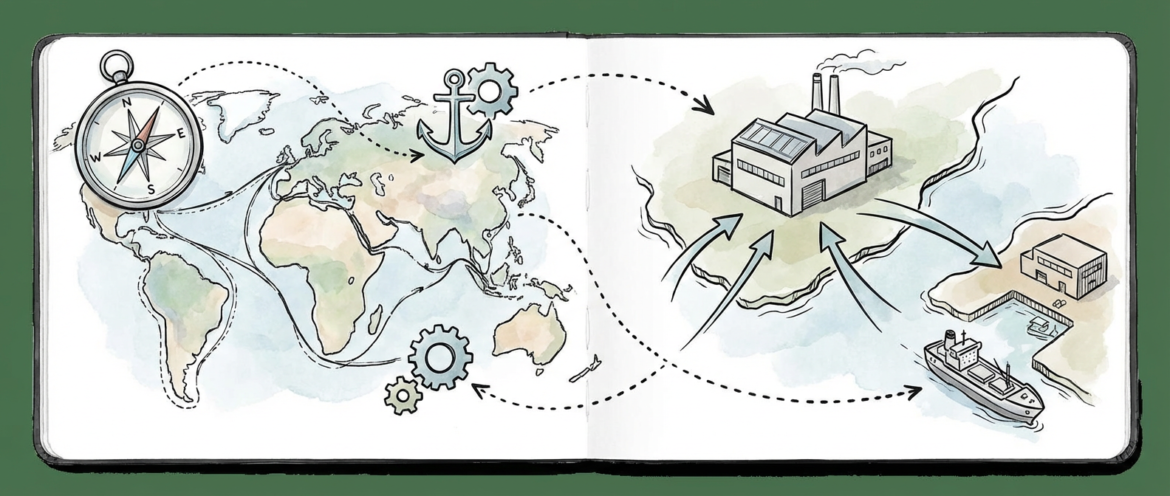
The pandemic didn’t just disrupt supply chains. It exposed how many executives had confused cost optimization with actual risk management. When factories across Asia shut down, companies discovered that their elaborate spreadsheets meant nothing when 80 percent of pharmaceutical active ingredients suddenly became unavailable. The same leaders who celebrated lean inventory models found themselves explaining to boards why critical components were stuck in Shanghai ports.
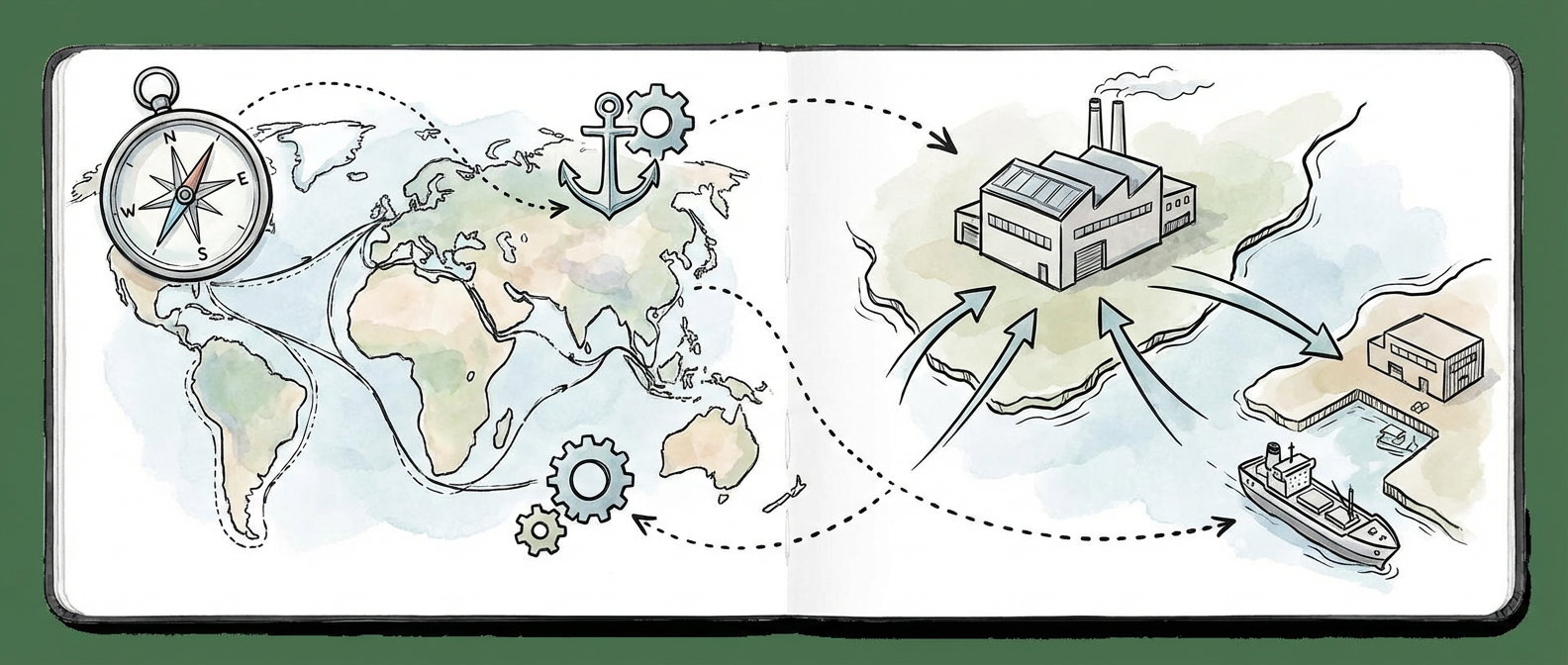
This wasn’t a black swan event. It was predictable. The inevitable result of prioritizing quarterly savings over operational resilience. Companies that had spent decades chasing the cheapest possible manufacturing discovered that true cost includes the price of rebuilding when your entire supply chain collapses. Those operators who raised concerns about concentration risk? They were proven right. Too bad vindication came at such a steep price.
From Cost Games to Strategic Partnerships
The old playbook is dead. Pure cost optimization in procurement has given way to friend-shoring and ally-shoring strategies that acknowledge geopolitical reality. This shift is more than risk mitigation. It’s a fundamental change in how sophisticated companies view supplier relationships.
Mexico became the top US import source in 2023, the first time in decades that China has lost this position. This didn’t happen because Mexican labor suddenly became cheaper. It happened because proximity, political stability, and cultural alignment created value that went beyond unit cost calculations. Companies discovered that shorter supply lines mean faster response times, reduced inventory requirements, and fewer surprises.
The semiconductor industry provides the clearest example of this strategic pivot. The CHIPS Act has triggered over $100 billion in fab investments across the US and European Union. These facilities won’t produce the cheapest chips, but they will produce reliable chips. When your production line depends on semiconductors, predictable supply beats marginal cost savings every time.
Technology as the New Competitive Edge
Digital supply chain twins have moved beyond consultant presentations into actual operational tools. These modeling systems can reduce disruption response times by 40 percent. They transform reactive crisis management into proactive risk mitigation. The technology works because it gives operators real-time visibility into bottlenecks before they cascade into full-scale disruptions.
The most successful implementations focus on practical applications rather than tech showcase projects. Companies use digital twins to simulate alternative routing scenarios, test supplier substitution strategies, and model inventory positioning. This isn’t about impressive dashboards or AI buzzwords. It’s about giving supply chain operators the information they need to make better decisions faster.
According to Supply Chain Dive news, the most effective digital twin deployments integrate with existing enterprise systems rather than requiring wholesale technology overhauls. Operators appreciate tools that enhance their existing capabilities rather than forcing them to learn entirely new processes.
ESG Auditing: Cost Center or Risk Management?
Environmental, social, and governance supply chain auditing increases operational costs, but the alternative carries far greater risks. Companies have learned that reputational damage from supplier misconduct can dwarf the expense of comprehensive ESG monitoring. The math is straightforward: systematic auditing costs money, but brand rehabilitation after a supply chain scandal costs exponentially more.
Smart operators treat ESG compliance as operational discipline rather than marketing theater. They build auditing requirements into supplier contracts from the beginning rather than retrofitting compliance programs. This approach reduces the administrative burden while creating clear expectations for all parties. Suppliers understand the requirements. Procurement teams have enforceable standards.
The most effective ESG programs focus on measurable outcomes rather than process documentation. McKinsey supply chain insights show that companies with robust ESG auditing frameworks experience fewer supply chain disruptions overall. This correlation exists because organizations serious about ESG compliance tend to select more stable, professionally managed suppliers.
Building Resilience That Actually Works
Resilience requires accepting higher short-term costs in exchange for long-term stability. This trade-off challenges conventional procurement metrics, but the alternative is periodic supply chain reconstruction. Companies that have successfully implemented resilient supply chains focus on diversification, visibility, and flexibility rather than optimization alone.
Diversification means maintaining multiple qualified suppliers for critical components, even when consolidation would reduce unit costs. Visibility requires investing in tracking and communication systems that provide real-time status updates across the entire supply network. Flexibility demands building relationships with suppliers who can scale production up or down based on changing requirements.
The most resilient supply chains combine traditional risk management with modern technology and geopolitical awareness. They acknowledge that global supply chains remain essential while building in safeguards against concentrated dependencies. This balanced approach recognizes that complete supply chain localization isn’t practical or economically viable for most industries.
Supply chain resilience isn’t a destination. It’s an ongoing operational discipline. Companies that understand this distinction will build sustainable competitive advantages while their competitors continue cycling through crisis management and recovery. What specific resilience strategies has your organization implemented, and how are you measuring their effectiveness beyond traditional cost metrics?