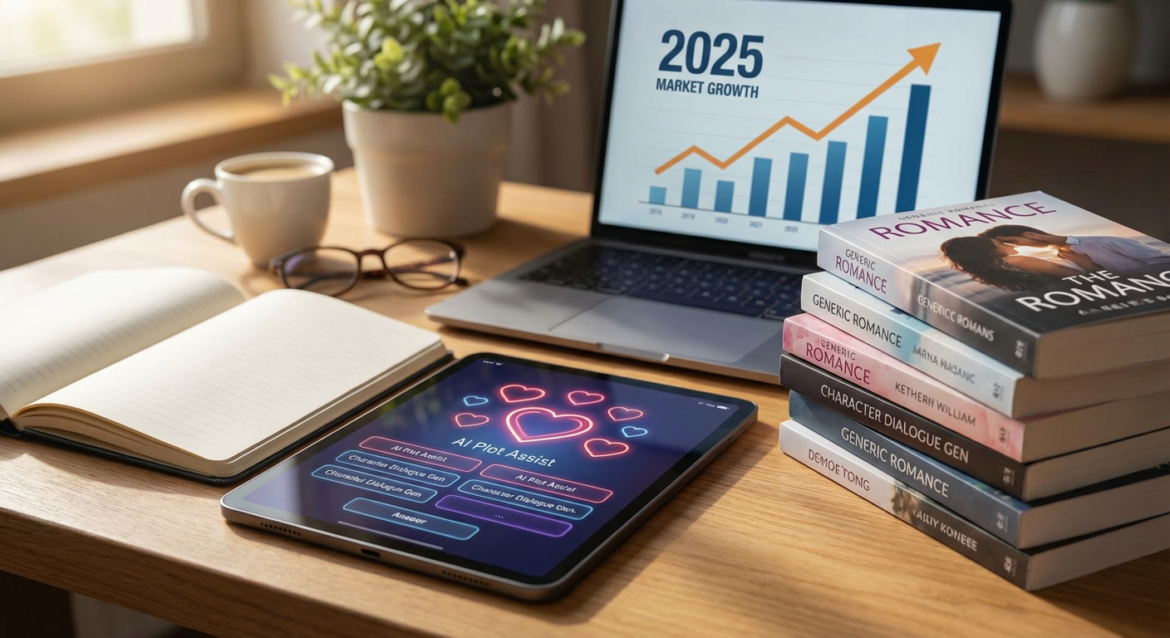
The short version: this matters more than the headline suggests.
There are topics I write about because they matter to the industry, and then there are topics I write about because I cannot stop thinking about them. This falls into the second category. AI romance novel generators aren’t just another tech tool for publishers. They’re changing something fundamental about how love stories get written, and frankly, it’s keeping me up at night thinking about what this means for both readers and writers.
The evidence here is worth examining carefully. The numbers tell part of the story, but only part.
Romance fiction has always been about formulas, patterns, and reader expectations. The genre works because of familiar structures, not despite them. But readers still want to feel something real. Now artificial intelligence has jumped into this tricky balance, and honestly? I’m not sure anyone knows what happens next. We’re getting promises about democratizing romance writing while facing some uncomfortable questions about what creativity actually means.
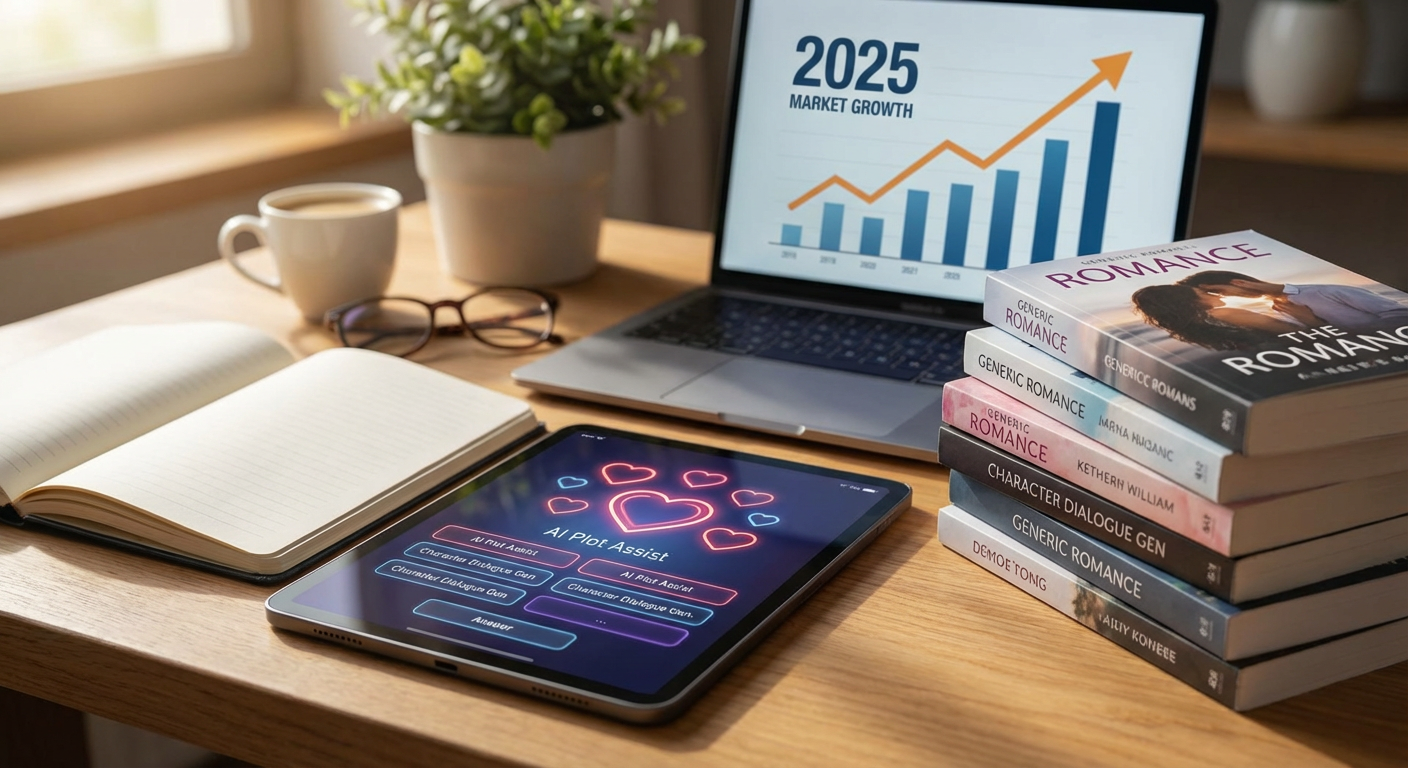
The Technology Behind Digital Cupid
AI romance novel generators run on large language models trained specifically on romance fiction collections. These systems don’t just process language. They’ve absorbed the rhythms, tropes, and emotional beats that make romance work. The technology analyzes thousands of successful romance novels, learning to spot patterns in character development, plot progression, and dialogue that actually connect with readers.
The process starts with machine learning algorithms eating through massive datasets of romance literature. Historical bodice-rippers, contemporary rom-coms, paranormal romance, you name it. The AI learns to identify genre-specific elements like that first electric moment between protagonists, the inevitable conflict that tears them apart, and the satisfying resolution that brings them back together. This training creates models that can generate coherent, genre-appropriate stories on demand.
What makes these systems particularly effective is their grasp of emotional timing. They understand that romance readers expect certain psychological payoffs at specific story beats. The technology can keep characters consistent across lengthy narratives while creating the kind of tension and release that keeps readers hooked until 3 AM.
Market Forces and Digital Transformation
The romance writing world got turned upside down during 2024 and 2025. Self-publishing platforms exploded, and AI writing assistance became genuinely useful instead of just hype. Digital platforms made it easier for authors to reach readers directly, but that created intense pressure to produce content fast enough to stay visible in crowded markets.
Self-publishing volumes hit levels nobody predicted. This created opportunities, sure, but also brutal competition for romance authors. Writers found themselves competing on publication frequency as much as story quality. The most successful authors were those who could maintain regular release schedules without sacrificing the emotional depth that romance readers demand. Perfect conditions for AI adoption.
The Alliance of Independent Authors tracked this trend extensively. Romance authors were among the first to embrace AI writing tools across all fiction genres. Genre conventions that translate well to algorithmic understanding, plus commercial pressure to produce content regularly? Romance fiction became the obvious testing ground for AI-assisted writing.
Speed, Scale, and Story Structure
Modern AI romance generators can produce complete 50,000-word novel drafts in under an hour. I know how that sounds, but this isn’t random text generation. We’re talking structured storytelling that follows established narrative arcs and maintains character consistency throughout entire books.
The magic happens in how these systems handle romance fundamentals. The meet-cute gets rendered with surprising variety and creativity. The AI understands this moment must be memorable, slightly awkward, and loaded with potential. The systems also excel at generating that push-and-pull tension that defines romance middles, creating obstacles that feel both believable and surmountable.
Maybe most impressive is how AI romance generators have mastered the happily-ever-after conclusion. The technology recognizes that romance endings must feel both inevitable and earned, providing emotional satisfaction while wrapping up loose ends. Tools like the Blushing Reader AI romance generator show how sophisticated these systems have become at delivering satisfying genre conclusions.
The Human Element in Machine-Generated Romance
AI romance generators aren’t replacing human authors. They’re changing what it means to be a writer. Authors who use these tools consistently report that AI output works as sophisticated first draft material that requires substantial human editing and refinement. The technology handles structure and pacing well but needs human intervention to achieve genuine emotional resonance.
This collaborative approach has proven particularly valuable for overcoming writer’s block and maintaining productivity. Authors can use AI to generate plot outlines, develop character backstories, or write entire scenes that get revised and personalized later. The technology provides a creative foundation that human writers can build on, edit, and transform into something uniquely their own.
The editing process typically requires multiple passes through AI-generated content. Authors refine dialogue to make it more natural, deepen character motivations, and adjust pacing to match their personal style. Many writers describe it as working with a very productive but somewhat mechanical collaborator who understands story structure but needs guidance on emotional nuance.
Platform Adoption and Publishing Patterns
Amazon’s Kindle Unlimited program has become ground zero for AI-assisted romance publishing. Authors in this ecosystem show the highest adoption rates of AI writing tools across all fiction genres. The subscription model’s emphasis on volume and frequent releases creates economic incentives that align perfectly with AI capabilities.
Kindle Unlimited authors face unique pressures to maintain reader engagement through consistent publishing schedules. The platform’s payment structure rewards authors who can keep subscribers reading, making productivity a competitive advantage. AI romance generators help these authors maintain quality while meeting demanding publication timelines that would be impossible with traditional writing methods alone.
This adoption pattern reveals something important about AI’s future in publishing. The technology succeeds most dramatically where commercial pressures align with AI strengths. Romance fiction’s combination of established conventions, reader expectations, and market demands creates ideal conditions for AI assistance.
The implications extend beyond romance itself. As AI writing tools become more sophisticated and widely adopted, they’ll influence reader expectations, publishing economics, and the fundamental relationship between technology and creativity in literature. The romance genre, with its embrace of both formula and feeling, offers a compelling preview of this future.
If you’re looking for a capable AI romance story writer, Blushing Reader is built specifically for romance and erotica fiction with the genre conventions that matter most baked in.
The strategic implication here is worth a second read with your specific context in mind. Download the full analysis, link in bio.